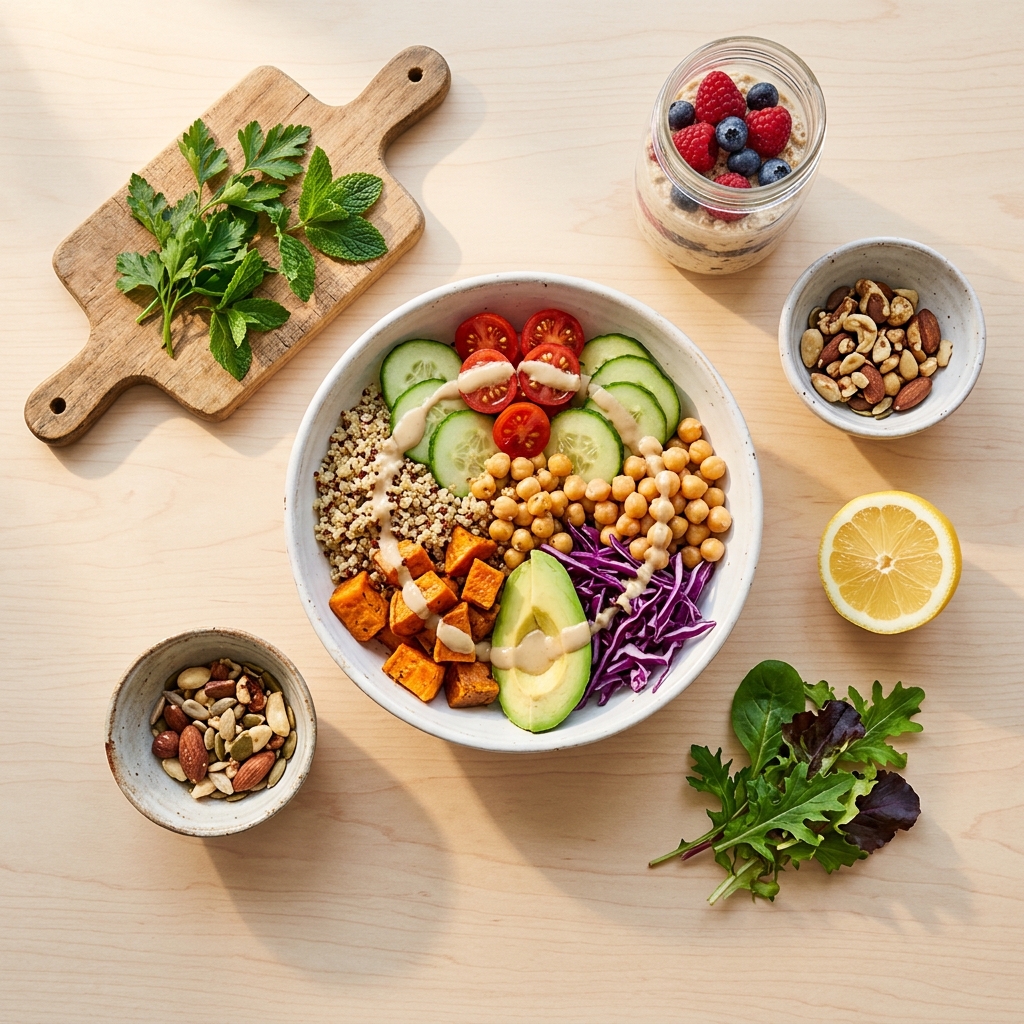
My friend Lucas went vegan in June 2022. One month after I did. He lasted nine days. On day nine he ate a steak and texted me a photo of it with the caption “I missed you old friend.” He has not tried again since.
Lucas did not fail because veganism is hard. He failed because nobody had given him a plan. He woke up on day one and decided to figure it out as he went. By day three he was eating salad and pasta. By day six he was tired and irritable. By day nine he was at a steakhouse making peace with his old life. This is the most common failure pattern I have ever seen, and I have watched seven friends try this with me over three years and learned exactly how to start a vegan diet without quitting in week two.
Going vegan is not the hard part. How to start a vegan diet in a way that actually sticks for more than two weeks, that is the hard part. The internet is full of articles that tell you to “just eat plants.” Those articles get people like Lucas. The articles that actually work tell you exactly what to buy, exactly what to cook, exactly which nutrients to track, and exactly what to expect when your body starts changing.
This is that article.
Why Most Beginners Quit Within Two Weeks
I have watched this happen enough times to predict it now. When you research how to start a vegan diet online, you mostly get articles written by people who never tried it. The pattern is almost always identical.
Week one. You are motivated. You bought salad greens. You ate hummus three days in a row. You are doing this.
Day five or six. You realize salad is not a meal. You are hungry constantly. You start eating crackers and peanut butter at midnight because you skipped dinner. Your energy drops. You wonder if veganism is unhealthy.
Day eight or nine. Someone offers you cheese. You take it. You feel guilty. You decide you are bad at this. You go back to your old diet.
The whole thing took less than two weeks and you concluded that plant based eating “does not work for you.” The diet was fine. The problem was that nobody told you the four things that would have saved the entire project.
Number one. You needed a stocked pantry before day one, not after.
Number two. You needed to phase in over three to four weeks, not go cold turkey on a Sunday.
Number three. You needed to know that the first five days feel like nothing, the next ten days feel weird, and the real benefits show up around day twenty one.
Number four. You needed protein in every meal, not just leafy greens.
I am going to walk you through all of this. I have learned each of these the hard way and so have my seven plant based friends.
The Seven Steps That Actually Work When You Start A Vegan Diet
This is the framework that actually works for how to start a vegan diet sustainably. Use it in order. The order matters. Skipping steps is how people end up like Lucas, eating steak nine days later and never trying again.
Step one. Spend a week reading before you change anything
This sounds anticlimactic. It is also the difference between people who succeed and people who fail. Most beginners decide on a Sunday night to go vegan starting Monday. That is the worst way to do it. You have no plan, no pantry, no recipes, and no understanding of what nutrients you need to watch.
Spend a week reading. Find five plant based recipes that look genuinely good to you. Watch one decent documentary if you want, or skip that and just learn the practical stuff. Get familiar with the Big 8 essential nutrients (more on those below). Buy a notebook and write down three meals you would actually eat. By the end of week zero you are prepared.
Step two. Stock your pantry like your life depends on it
Most beginners try to wing this. They start vegan, get to dinner, realize they have nothing in the house, and order pizza. Game over.
The night before you start, go to the grocery store and buy these things. All of them. Treat this like preparing for a hurricane.
Pantry staples. Brown rice, quinoa, rolled oats, whole wheat pasta. Dry lentils (green and red), canned chickpeas, canned black beans, canned kidney beans. Olive oil, soy sauce, tahini, peanut butter (just peanuts and salt, read the label), nutritional yeast (sounds weird, tastes cheesy), maple syrup, sea salt, dried oregano, cumin, smoked paprika.
Refrigerator. Firm tofu, tempeh, hummus, fresh herbs (parsley, mint, cilantro), lemons, garlic, fresh ginger, oat or soy milk, leafy greens, tomatoes, cucumbers, bell peppers, carrots, avocados.
Freezer. Frozen broccoli, frozen edamame, frozen mixed berries, frozen mango chunks.
This costs about 60 to 100 dollars depending on where you live. It feeds one person for two weeks. From here, you only need to top up produce twice a week.
Step three. Learn the Plant-Based Plate Method and stop calorie counting
The biggest reason vegan diets fail is that people try to count calories or macros while also learning to cook differently. That is two hard things at once. Skip the counting entirely. Use the plate method.
Half your plate, vegetables. Any kind, any color. Roasted, raw, sauteed, frozen, whatever.
One quarter, whole grains. Brown rice, quinoa, whole wheat pasta, oats.
One quarter, plant protein. Lentils, chickpeas, beans, tofu, tempeh, edamame.
Plus a drizzle of healthy fat. Olive oil, sliced avocado, a handful of nuts, tahini sauce.
Fill the plate. Eat it. Move on with your life. This framework, based on Harvard’s Healthy Eating Plate, handles balance for you. No apps. No spreadsheets. No bowl of sad lettuce.
Step four. Phase in over three to four weeks, not in one day
Going cold turkey works for maybe five percent of people. The other ninety five percent need a ramp. Here is the ramp.
Week one. Make breakfast plant based. Just breakfast. Oatmeal with peanut butter and berries. Tofu scramble. Avocado toast. Eat normally for lunch and dinner.
Week two. Add plant based lunches. Buddha bowls. Lentil salads. Hummus wraps. Soup.
Week three. Replace four dinners per week with plant based meals. Keep three “old” if you need them.
Week four. You are eating plant based all the time now. The transition feels almost invisible because you spread it across a month. By this point your taste buds have adjusted, your pantry is established, and you are not dramatically changing your life all at once.
This pacing is what most reputable health organizations recommend for sustainable change. The cold turkey approach is dramatic but it almost always fails.
Step five. The Big 8 nutrients you actually have to track
Here is where most beginner guides fail you. They say “eat plants, you will be fine.” This is false. There are eight specific nutrients that require active attention on a plant based diet. Get these right and you thrive. Ignore them and you become the cautionary tale.
Protein. Lentils, chickpeas, tofu, tempeh, edamame, quinoa, hemp seeds. You need about 0.8 to 1.2 grams per kilogram of body weight. Most adults are looking at 50 to 90 grams a day. For the full list see our guide on vegan protein sources.
Vitamin B12. Not optional. Plants do not reliably contain B12. Without it, deficiency develops slowly and can cause permanent nerve damage. Take 250 to 500 mcg daily. Get a blood test once a year. This is the one rule you do not break.
Iron. Lentils, spinach, tofu. Pair with a squeeze of lemon. Vitamin C triples iron absorption. Avoid coffee within an hour of iron rich meals because tannins inhibit absorption.
Calcium. Fortified plant milks, tahini, kale, broccoli, bok choy, almonds. Easier than the dairy industry wants you to believe.
Omega 3 fatty acids. Flaxseed, chia, walnuts, or an algae oil supplement. The body converts the plant form less efficiently so an algae supplement is worth considering if you used to eat fish.
Zinc. Pumpkin seeds, cashews, chickpeas, hemp seeds. Often overlooked.
Vitamin D. Fortified plant milks plus a daily supplement, especially in winter. Even meat eaters need this one.
Iodine. Iodized salt covers it. Seaweed (nori, kelp) if you want a food source.
If you take one supplement on this list it is B12. The others can mostly come from food. B12 cannot. Just take it.
Step six. Sunday prep day, the habit that saves everything
I will be blunt. This single habit separates the vegans who stick with it from the vegans who do not. Spend 60 to 90 minutes on Sunday prepping for the week. Yes, you will resist it. Yes, it is the difference between success and failure.
What to prep. Cook a big batch of brown rice or quinoa. Cook a pot of lentils, chickpeas, or beans. Roast a tray of vegetables (sweet potato, broccoli, peppers are my standard). Wash and chop salad greens. Make two or three dressings or sauces in mason jars.
Result. Tuesday night, you grab a grain, a protein, some roasted vegetables, drizzle a sauce. Dinner is done in five minutes. You feel like a culinary genius. The diet sticks.
For a full structured week, see our 7-day vegan meal plan for beginners.
Step seven. Track how you feel and adjust
The first thirty days, pay attention to your body. Energy, digestion, sleep, mood, skin. These signals tell you whether your plan is working.
Tired all the time. You are probably undereating. Plants are less calorie dense than meat. Eat bigger portions. More grains, more nuts, more healthy fats.
Bloated. You ramped fiber too fast. Slow down. Increase fiber gradually.
Brain fog. Double check the B12 supplement. Seriously.
Hair issues. Either B12 or protein. Or both.
If you feel great, you nailed the formula. Keep going.
Skip the trial and error
The Vegan Reset is the 59-page guide that walks you through every step in this article. The Big 8 essential nutrients in detail, the Plant-Based Plate Method, signature recipes, a 7-day starter meal plan, shopping lists, and a daily checklist. Available in English and German.
59 pages · Instant PDF · $7.99 (was $22.99)
What Actually Happens In Your First Month
People want to know what to expect. The honest version is more useful than the marketing version. Here is the timeline based on my own experience and seven friends who tried this with me.
Days one through five. You feel nothing. You wonder if the internet has been lying to you. Some people get gas from the fiber. It passes.
Days five through fourteen. You stop being hungry between meals. This is the first thing you notice. Fiber digests slowly so your blood sugar runs flat. No more 3 pm crash. This alone changes your relationship with food.
Days fourteen through twenty one. Your skin clears up. Not because plants are magic. Because dairy was probably aggravating your skin all along. You sleep deeper. You stop waking up at 4 am.
Day twenty one onwards. Measurable bloodwork changes if you get tested. LDL cholesterol drops. Blood pressure moves. Inflammation markers drop. Some people lose weight without trying. Others maintain. Everyone reports better energy stability.
For a deeper dive into what changes and why, see our article on the health benefits of a plant-based diet.
The Five Mistakes Every Beginner Makes
Mistake one. Living on salads
A spinach salad with no chickpeas, lentils, tofu, or tempeh is maybe five grams of protein. That is a snack. You will be hungry in two hours and you will blame the diet. Add a real protein source to every salad. Always.
Mistake two. Living on processed vegan junk
Beyond burgers, vegan cheese, vegan ice cream, vegan donuts. All technically vegan, all junk food. The benefits I described above come from whole plant foods, not from products with a vegan label. Use processed alternatives sparingly. Build your foundation on lentils, beans, vegetables, whole grains.
Mistake three. Skipping B12
Mentioned above. Mentioning again because it matters. Take the supplement. Stop arguing with the internet about whether plants secretly have B12. They do not in usable amounts. Take 250 to 500 mcg daily.
Mistake four. Not eating enough
This is the sneakiest mistake. Plants take more volume to deliver the same calories as meat. New vegans accidentally undereat, get tired, and quit. Solution. Eat bigger portions. Eat more often. Especially in the first month while your body adjusts.
Mistake five. Trying to be perfect on day one
Perfection is the enemy of consistency. Eat one accidentally non vegan thing in week three and you do not have to quit. Just continue. The goal is plant based eating over the long haul, not a perfect spotless record for the next thirty years.
Common Questions When You Are Just Starting
How long until I see real changes
Digestion shifts in days. Energy stabilizes in two to three weeks. Bloodwork changes (cholesterol, blood pressure) show up at four to six weeks. Weight changes, if any, are typically gradual over two to three months.
Will I lose weight
Many people do, naturally, because whole plant foods are less calorie dense. Some do not, especially if they eat lots of processed vegan food. Whole foods plus normal portions tends to produce gradual weight loss for people who needed to lose weight. People who did not need to lose weight tend to stabilize.
Is it really healthier
For most people, yes. The Academy of Nutrition and Dietetics has stated that well planned vegan diets are nutritionally adequate and may reduce risk of heart disease, type 2 diabetes, and certain cancers. The key phrase is “well planned.” The planning is the part you have to do.
Can I eat out
Yes, with planning. Most cuisines have vegan options. Middle Eastern (falafel, hummus, tabbouleh). Ethiopian (lentil and vegetable stews). Indian (chana masala, aloo gobi, dal). Mediterranean (pasta, salads). Mexican (rice, beans, guacamole). Korean (bibimbap without the egg). You will not starve eating out.
What about coffee with milk
Switch to oat milk or soy milk. Oat milk is creamier. Soy milk has more protein. Both work fine in coffee. Almond milk is too watery for most coffee drinkers.
Can I do this on a budget
Yes, easily. The cheapest aisles in any grocery store are also the most plant based. Dry lentils, dry beans, oats, frozen vegetables, peanut butter, seasonal produce. A week of vegan groceries costs 30 to 50 dollars per person if you skip the processed alternatives.
Will my family judge me
Probably yes for the first month. They will get used to it. Or they will not. Either way, your bloodwork is going to improve and you will sleep better. Worth it.
What if I cheat in week two
Then you cheated in week two. The point of how to start a vegan diet correctly is not perfection but consistency. Continue with plant based eating in week three. Do not quit because of one slip. The all or nothing brain is the enemy of any lifestyle change.
Your Actual First Week, Step By Step
If you have read everything above and you still want the most concrete how to start a vegan diet plan, here it is.
Sunday. Grocery shop using the pantry list above. Cook a pot of lentils and a pot of quinoa. Roast a tray of vegetables. Make a tahini lemon dressing in a jar.
Monday breakfast. Overnight oats made the night before with rolled oats, chia seeds, plant milk, peanut butter, berries on top. Coffee with oat milk.
Monday lunch. Buddha bowl. Cooked quinoa, prepped roasted vegetables, lentils from Sunday, sliced avocado, drizzle of tahini dressing.
Monday dinner. Pasta with marinara sauce and added lentils. Side of steamed broccoli with olive oil and lemon.
Tuesday through Saturday. Rotate breakfasts (overnight oats, tofu scramble, smoothie bowl). Rotate lunches (Buddha bowl variations, hummus wraps, big salads with chickpeas). Rotate dinners (pasta, tofu stir fry, lentil soup, bean chili, vegetable curry).
By Sunday you have completed your first week and you are still alive. Lentil tagine optional but recommended. (My mother makes one back home in Casablanca that converted four of her friends. Recipe coming in a future post.)
The complete playbook
The Vegan Reset turns this entire article into a structured 59-page playbook. The Big 8 essential nutrients in detail, the Plant-Based Plate Method, sample recipes you will actually make, a 7-day starter meal plan, shopping lists, budget tips, and a daily checklist that makes it sustainable. English and German. 30-day money-back guarantee.
Only $7.99 · Instant PDF · 30-day money-back guarantee
Not ready to buy? Get the first 16 pages free. Chapter 1 covers why plant based works, Chapter 2 covers the Big 8 nutrients.
Lucas is welcome back any time. He has stopped trying. But for the readers who are still trying, the framework above is what actually works. Stock the pantry. Phase in over four weeks. Take the B12. Eat enough food. Track how you feel. By day thirty you will know if this is for you. Most people who follow this plan stick with it.