The shift toward plant-based eating is backed by decades of nutritional science, epidemiological research, and clinical trials. The health benefits of a plant-based diet are measurable, reproducible, and increasingly difficult to ignore. But here is the part that most articles skip: knowing that plant-based eating is healthy is not enough. You also need to know which specific nutrients to manage and how to get them from plants alone.
That is why “The Vegan Reset: Transform Your Body, Mind & Plate” dedicates an entire chapter to what it calls The Big 8: the eight essential nutrients that every person on a plant-based diet must actively monitor. In this article, we will explore the major health benefits of going plant-based, as covered in Chapter 1 of the ebook, and then show you exactly how The Big 8 nutrients guide ensures you actually thrive rather than just survive on a vegan diet.
The Health Benefits: What Chapter 1 of The Vegan Reset Covers
Chapter 1 of The Vegan Reset lays out the specific, evidence-based benefits that motivate people to try a plant-based reset. These are not vague promises. They are the changes that research consistently documents and that readers report experiencing within the first weeks of their transition.
1 Improved Digestion and Gut Health
This is often the first benefit people notice, sometimes within just a few days. Plant-based diets are naturally rich in dietary fiber, the single most important nutrient for gut health. Most people on a standard Western diet get roughly 15 grams of fiber per day. On a whole-food vegan diet, that number easily reaches 40 to 50 grams.
The result is more regular bowel movements, less bloating, and a gut microbiome that begins to diversify and strengthen rapidly. When beneficial gut bacteria ferment fiber, they produce short-chain fatty acids like butyrate, which reduce inflammation, strengthen the intestinal barrier, and support immune function.
2 Increased Daily Energy
This is the benefit people notice fastest, often within the first five to seven days. Without heavy, slow-digesting animal proteins and saturated fats weighing down your system, many people report waking up feeling lighter and more alert. Afternoon energy crashes become less frequent as blood sugar levels stabilize on a fiber-rich, plant-based diet.
The Vegan Reset’s Plant-Based Plate Method (half vegetables, quarter grains, quarter protein, plus healthy fats) is specifically designed to sustain energy throughout the day. By including complex carbohydrates and protein at every meal, you avoid the spikes and crashes that come from relying on refined carbs or caffeine.
3 Clearer Skin
Dairy, in particular, has been linked to skin inflammation and breakouts. Removing it while increasing your intake of antioxidant-rich fruits and vegetables often leads to noticeably clearer, more radiant skin by weeks two and three. Plant-based diets deliver concentrated doses of vitamins A, C, and E, along with zinc, selenium, and polyphenols, all of which support skin cell renewal and collagen production.
4 Better Heart Health Markers
Heart disease remains the leading cause of death globally. Plant-based diets are naturally low in saturated fat and cholesterol while being rich in fiber, potassium, and antioxidants. Research has shown that plant-based diets can lower LDL cholesterol by 10 to 15 percent in as few as four weeks. Blood pressure also tends to decrease, partly due to higher potassium intake and lower sodium consumption.
5 Sustainable Weight Management
While weight loss is not the primary goal of a vegan reset, it is a common side effect. Plant-based whole foods are naturally less calorie-dense than their animal-based counterparts, meaning you can eat satisfying portions while consuming fewer overall calories. The key is fiber: it slows digestion, promotes satiety, and stabilizes blood sugar, all of which reduce the impulse to overeat.
6 Improved Mental Clarity and Mood
The gut-brain connection is well-documented. When your gut health improves on a plant-based diet, your brain often follows. Many people report improved focus, reduced brain fog, and a more stable mood throughout the day. The Vegan Reset notes that these cognitive improvements typically become noticeable during weeks two and three, as the gut microbiome diversifies and inflammation decreases.
Get the Benefits Without the Guesswork
The Vegan Reset covers all six of these benefits in Chapter 1, then shows you exactly how to achieve them with The Big 8 nutrients guide, the Plant-Based Plate Method, tested recipes, and daily checklists. 59 pages, English and German.
$22.99 $7.99
Limited-time launch price — 65% off!
Secure payment · 30-day money-back guarantee
The Missing Piece: Why Most People Fail on a Plant-Based Diet
Here is the uncomfortable truth that most “health benefits of plant-based diet” articles never mention: a poorly planned vegan diet can leave you feeling worse, not better. The benefits listed above only materialize when you are meeting your nutritional needs. And on a plant-based diet, eight specific nutrients require deliberate attention.
This is where The Vegan Reset ebook separates itself from generic online advice. Chapter 2 introduces The Big 8: a comprehensive guide to the eight nutrients that every vegan must actively manage. For each nutrient, the ebook provides the recommended daily intake, the best plant-based food sources, absorption-boosting strategies, and warning signs of deficiency.
The Big 8 Nutrients: Your Plant-Based Safety Net
Here is an overview of each nutrient in The Big 8 and why it matters for the health benefits above.
1 Protein
Protein is essential for muscle repair, immune function, and satiety. The Vegan Reset identifies the best plant-based protein sources, including lentils, chickpeas, tofu, tempeh, edamame, and quinoa, and teaches you specific protein combinations that deliver all essential amino acids: rice and beans, hummus and pita, nut butter and bread. Following these combinations ensures you get complete protein without overthinking every meal.
The ebook’s daily checklist recommends 1 to 2 protein servings per day as a simple tracking target.
2 Vitamin B12
B12 is the single most critical supplement for anyone on a plant-based diet. It is produced by bacteria and is not reliably found in plant foods. Deficiency causes fatigue, neurological problems, and anemia, symptoms that can take months or years to appear but cause real damage.
The Vegan Reset is unambiguous on this point: supplement 250 to 500 mcg of B12 daily. Use fortified foods (nutritional yeast, fortified plant milks) as a complement, not a replacement. Get annual blood tests to confirm your levels are adequate. This is non-negotiable.
3 Iron
Plant-based iron (non-heme iron) is absorbed less efficiently than animal-based iron, but The Vegan Reset provides three practical strategies to maximize absorption. First, pair iron-rich foods with vitamin C: squeeze lemon on your lentil soup, add bell peppers to your bean dish, or eat tomatoes alongside spinach. This can improve iron absorption by up to 300 percent. Second, avoid drinking coffee or tea within an hour of iron-rich meals, as tannins inhibit absorption. Third, cook with cast iron cookware, which leaches small amounts of iron into your food.
Key iron sources highlighted in the ebook include lentils, chickpeas, spinach, quinoa, and fortified cereals.
4 Calcium
Calcium is essential for bone health, muscle function, and nerve signaling. The Vegan Reset identifies the best plant-based sources: fortified plant milks (most contain the same calcium as cow’s milk), tahini, kale, broccoli, bok choy, almonds, and fortified orange juice. The ebook provides daily intake targets and shows how the Plant-Based Plate Method naturally incorporates calcium-rich foods.
5 Omega-3 Fatty Acids
Omega-3s are critical for brain health, heart health, and reducing inflammation. Plant sources provide ALA omega-3s (chia seeds, hemp seeds, walnuts, flaxseeds), but the body converts ALA to EPA and DHA inefficiently. The Vegan Reset recommends including ALA-rich foods daily and considering an algae-based omega-3 supplement for direct EPA and DHA, especially for those who do not consume seeds regularly.
6 Zinc
Zinc supports immune function, wound healing, and protein synthesis. It is one of the most commonly overlooked nutrients on a vegan diet. The Vegan Reset highlights pumpkin seeds, chickpeas, lentils, cashews, and hemp seeds as the best plant-based sources. Soaking and sprouting legumes can improve zinc bioavailability.
7 Vitamin D
Vitamin D is essential for calcium absorption, bone health, and immune function. Since few plant foods naturally contain vitamin D, the ebook recommends supplementation, especially for those living in northern climates with limited sun exposure. Fortified plant milks and mushrooms exposed to UV light provide some dietary vitamin D, but a supplement is the most reliable approach.
8 Iodine
Iodine is critical for thyroid function and is one of the most commonly missed nutrients in vegan diets, since dairy (a major iodine source in Western diets) is eliminated. The Vegan Reset provides practical guidance on using iodized salt in cooking and incorporating seaweed-based sources like nori and kelp for those who prefer a food-first approach.
How The Big 8 Connects to the Health Benefits
The relationship between The Big 8 and the health benefits described above is direct and causal:
- Protein ensures you maintain muscle mass, feel satiated, and have stable energy, supporting the weight management and energy benefits.
- B12 prevents the fatigue and cognitive decline that would undermine the energy and mental clarity benefits.
- Iron is essential for oxygen transport. Without adequate iron, the energy and vitality benefits of plant-based eating disappear.
- Calcium and Vitamin D work together for bone health, ensuring the long-term benefits of a plant-based diet extend to your skeletal system.
- Omega-3s directly support the heart health and anti-inflammatory benefits that make plant-based diets so powerful.
- Zinc supports immune function and skin health, reinforcing the clearer-skin and overall-wellness benefits.
- Iodine maintains healthy thyroid function, which regulates metabolism, energy, and weight, connecting to virtually every benefit on the list.
Without managing The Big 8, you risk undermining the very benefits that make a plant-based diet worthwhile. With them managed, you unlock the full potential of every health benefit described in this article.
The Plant-Based Plate Method: Making Every Meal Count
Beyond The Big 8, The Vegan Reset provides a dead-simple framework for building balanced meals. The Plant-Based Plate Method requires no calorie counting, no macro tracking, and no apps:
- Half your plate: vegetables — a mix of colors for maximum nutrient diversity.
- One quarter: whole grains — brown rice, quinoa, oats, or whole-wheat bread for sustained energy.
- One quarter: protein — lentils, chickpeas, tofu, beans, or tempeh.
- Plus healthy fats — avocado, nuts, seeds, or olive oil for nutrient absorption.
This framework ensures you are getting fiber for gut health, complex carbs for energy, protein for satiety and muscle maintenance, and fats for brain health and nutrient absorption, at every single meal. Combined with The Big 8 supplement and monitoring strategy, it creates a complete nutritional system.
The Daily Checklist: A Simple Health Habit
Chapter 6 of The Vegan Reset distills everything into a daily checklist you can memorize in minutes and use for the rest of your life:
- 1 to 2 protein servings from beans, lentils, tofu, or protein combinations
- 5 to 9 servings of fruits and vegetables across all meals
- 3 to 4 servings of whole grains for energy and fiber
- B12 supplement taken daily (250 to 500 mcg)
- 8 glasses of water throughout the day
If you check every box, you are covering your nutritional bases and setting yourself up to experience every health benefit discussed in this article. No spreadsheets. No apps. Just a simple, memorable daily framework.
How to Start Experiencing These Benefits
You do not need to become 100 percent vegan overnight. Research shows that even shifting toward a more plant-forward diet produces measurable health improvements. Here is a practical approach that aligns with what The Vegan Reset recommends:
- Start with the Plant-Based Plate Method. At your next meal, fill half your plate with vegetables, one quarter with whole grains, and one quarter with plant protein. Add healthy fats. That is it. One meal at a time.
- Learn The Big 8. Understanding which nutrients need attention removes the fear and uncertainty that stop most people from committing to plant-based eating.
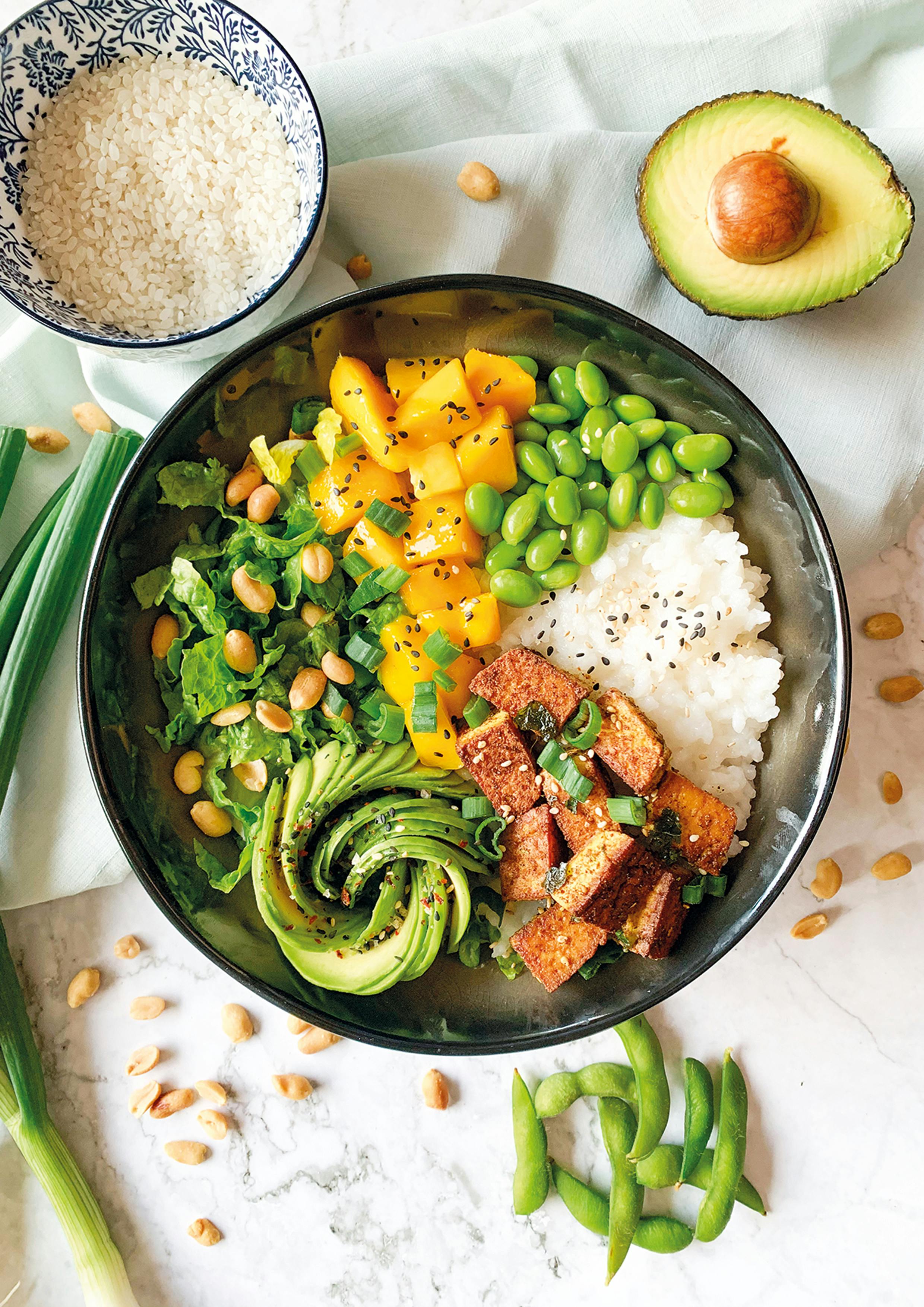
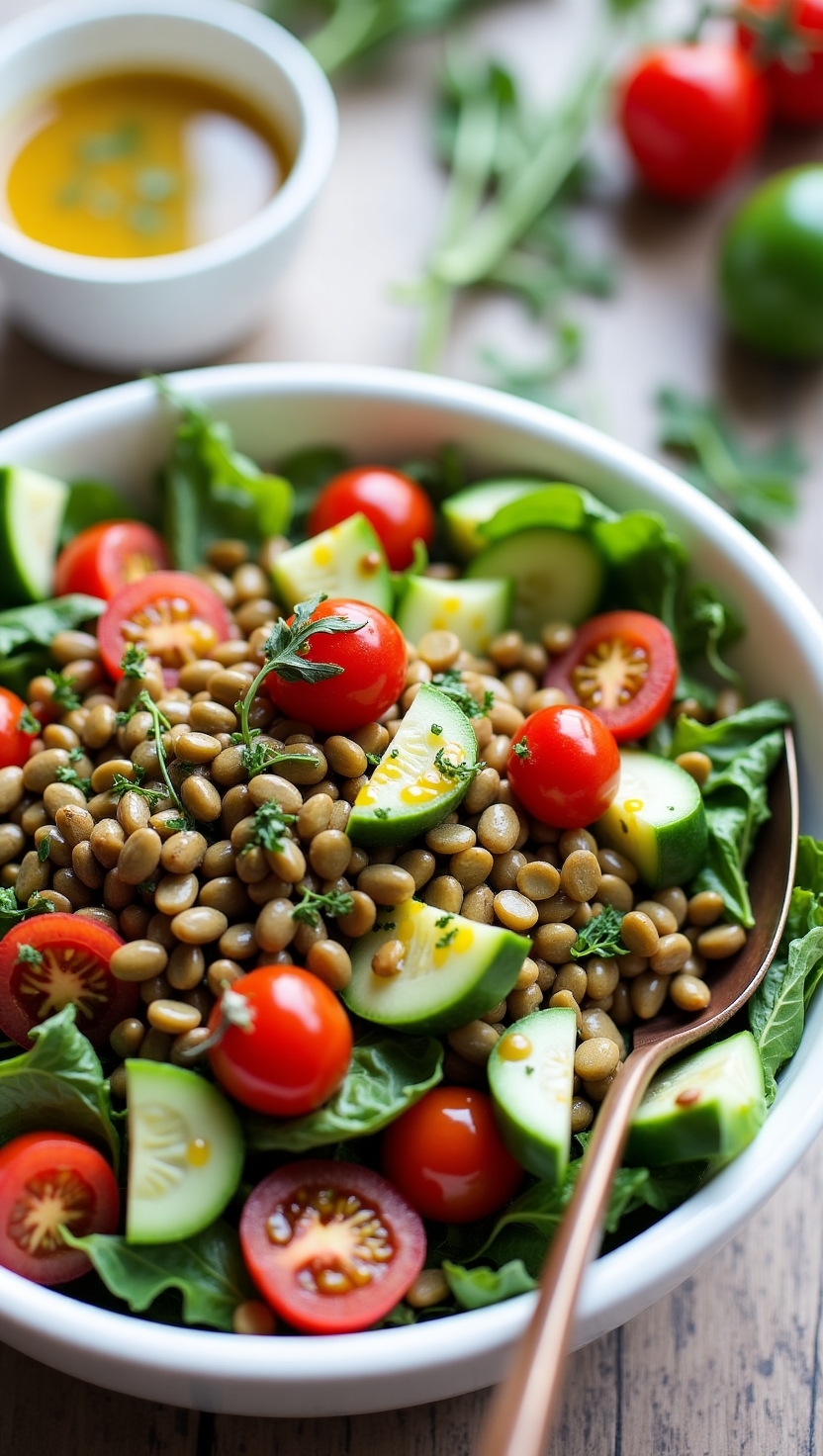
- Try the ebook’s signature recipes. Overnight Power Oats for breakfast, a Buddha Bowl for lunch, and a Lentil Power Salad for dinner. These three meals alone give you a full day of balanced, delicious, plant-based eating.
- Use the Sunday Prep Day strategy. Spend 60 to 90 minutes on Sunday cooking grains, lentils, and chopping vegetables. This single habit makes weeknight meals fast and friction-free.
- Follow the daily checklist. Protein, fruits and vegetables, whole grains, B12, water. Check the boxes. Trust the system.
Most of the benefits described in this article become noticeable within two to four weeks. Digestive improvements come first, followed by energy changes, then skin improvements, and finally the longer-term benefits like improved heart health markers and weight management.
Get the Benefits Without the Guesswork
The Vegan Reset covers all six of these benefits in Chapter 1, then shows you exactly how to achieve them with The Big 8 nutrients guide, the Plant-Based Plate Method, tested recipes, and daily checklists. 59 pages, English and German.
$22.99 $7.99
Limited-time launch price — 65% off!
Secure payment · 30-day money-back guarantee
A Note on Scientific Integrity
Nutrition science is complex, and no single study proves anything definitively. The benefits presented in this article are based on the weight of evidence from large, peer-reviewed studies and meta-analyses. Individual results vary based on genetics, lifestyle, food quality, and many other factors.
What the research consistently shows is that a well-planned plant-based diet is actively health-promoting. The key phrase is “well-planned.” A vegan diet that ignores B12, iron absorption, and protein combining will not deliver the benefits described above. A vegan diet guided by The Big 8 framework, the Plant-Based Plate Method, and the daily checklist will.
Major health organizations including the Academy of Nutrition and Dietetics, the American Heart Association, and the British Dietetic Association have all affirmed that well-planned vegan diets are nutritionally adequate and may provide health benefits in the prevention and treatment of certain diseases. The Vegan Reset ebook gives you the “well-planned” part, so your body can deliver the benefits.