If you have been curious about plant-based eating but felt overwhelmed by conflicting advice, incomplete guides, and information scattered across dozens of websites, you are not alone. That confusion is exactly why “The Vegan Reset: Transform Your Body, Mind & Plate” was written: a focused, practical, 59-page ebook that takes the guesswork out of going vegan.
Available in both English and German, The Vegan Reset is not a collection of abstract nutrition theory. It is a structured, chapter-by-chapter roadmap that walks you through the essential nutrients you need, the meals you should be eating, the recipes that make it easy, and the daily habits that keep you on track. In this article, we will take you inside the ebook, chapter by chapter, so you can see exactly what it covers and why thousands of readers consider it the best starting point for their plant-based journey.
The Problem The Vegan Reset Solves
Most people who try going vegan do not fail because of willpower. They fail because of logistics. They do not know which nutrients to watch, how to build a balanced plate, what to cook on a Tuesday night, or how to afford it all without spending a fortune on specialty products.
The Vegan Reset addresses each of these barriers head-on across six carefully structured chapters. Every chapter builds on the previous one, so by the time you finish the 59 pages, you have not just learned about plant-based eating. You have a complete system for doing it.
Let us walk through what each chapter covers.
Chapter 1: Why Go Plant-Based?
The ebook opens by laying the foundation: the reasons people choose a vegan reset and the real, measurable benefits they can expect. This is not vague motivation. Chapter 1 presents the specific health benefits that research consistently links to plant-based diets, including improved digestion and gut health, increased daily energy, clearer skin, better heart health markers like lower LDL cholesterol and blood pressure, sustainable weight management, and improved mental clarity and mood.
What makes this chapter valuable is its honesty. It does not promise miracles or overnight transformation. It explains the physiological mechanisms behind each benefit, so you understand why these changes happen and what timeline to expect. Most people notice digestive improvements within the first week, energy changes by days five to seven, and visible skin improvements by weeks two and three.
Chapter 1 also addresses who the vegan reset is designed for: people feeling sluggish, anyone with digestive issues, health-conscious individuals looking to level up, people with a family history of heart disease or diabetes, curious beginners intimidated by a permanent switch, athletes wanting to reduce inflammation, and anyone stuck in a food rut wanting to discover new flavors.
Chapter 2: The Big 8 Nutrients Guide
This is arguably the most important chapter in the entire ebook, and it is something most free online resources get wrong or gloss over entirely. Chapter 2 introduces The Big 8: the eight essential nutrients that every vegan needs to actively manage. They are:
- Protein — daily needs, complete vs. incomplete sources, and proven plant-based combinations like rice and beans, hummus and pita, and nut butter and bread that deliver all essential amino acids.
- Vitamin B12 — why supplementation is non-negotiable (250 to 500 mcg daily), which fortified foods help, and why annual blood tests are essential for monitoring levels.
- Iron — plant-based sources, absorption tips (pair with vitamin C, avoid coffee and tea around meals, cook with cast iron cookware), and daily requirements.
- Calcium — sources beyond dairy including fortified plant milks, kale, broccoli, tahini, and almonds, along with daily intake targets.
- Omega-3 fatty acids — ALA sources from chia seeds, hemp seeds, and walnuts, plus guidance on algae-based EPA and DHA supplements.
- Zinc — often overlooked on vegan diets, with sources including pumpkin seeds, chickpeas, lentils, and cashews.
- Vitamin D — supplementation guidance especially for those in northern climates, along with fortified food options.
- Iodine — one of the most commonly missed nutrients on vegan diets, with practical guidance on iodized salt and seaweed-based sources.
For each of The Big 8, the ebook provides the recommended daily intake, the best plant-based food sources, practical tips for maximizing absorption, and warning signs of deficiency to watch for. This chapter alone could save you months of confusion and potential health issues that come from poorly planned vegan eating.
Chapter 3: The Plant-Based Plate Method and Meal Planning
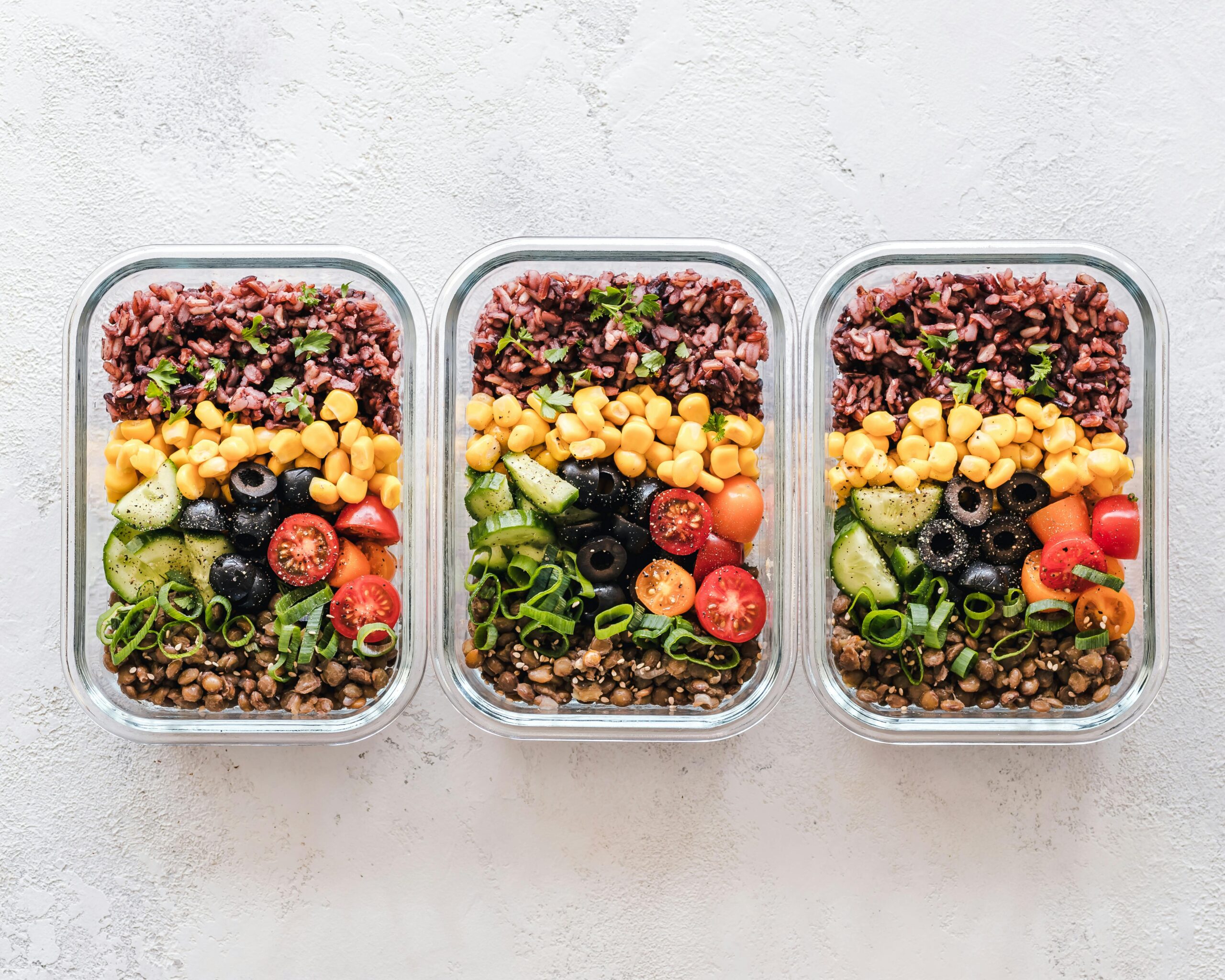
Once you understand the nutrients, Chapter 3 shows you how to put them on a plate. The centerpiece of this chapter is the Plant-Based Plate Method, a simple visual framework for building balanced meals every single time:
- Half your plate: vegetables — a mix of colors and types, raw or cooked, providing fiber, vitamins, and antioxidants.
- One quarter: whole grains — brown rice, quinoa, oats, whole-wheat bread, or pasta for sustained energy and B vitamins.
- One quarter: protein — lentils, chickpeas, tofu, tempeh, beans, or edamame for amino acids and satiety.
- Plus healthy fats — avocado, nuts, seeds, or olive oil for nutrient absorption and brain health.
This framework is powerful because of its simplicity. You do not need to count calories, track macros, or consult a spreadsheet. You look at your plate, check the proportions, and you know you are on track.
Chapter 3 also introduces the weekly meal planning system with a dedicated Sunday Prep Day strategy. The idea is straightforward: spend 60 to 90 minutes on Sunday batch-cooking grains, chopping vegetables, preparing sauces, and portioning ingredients so that weeknight meals come together in 15 to 20 minutes. The ebook walks you through exactly what to prep and how to store it for maximum freshness throughout the week.
Get the Complete 6-Chapter Vegan Reset Ebook
59 pages covering The Big 8 nutrients, the Plant-Based Plate Method, recipes, meal plans, budget tips, and daily checklists. Available in English and German.
$22.99 $7.99
Limited-time launch price — 65% off!
Secure payment · 30-day money-back guarantee
Chapter 4: Recipes That Make Plant-Based Eating Easy
Theory is useless without practice, and Chapter 4 delivers the practical side with a collection of tested, beginner-friendly recipes. These are not complicated restaurant-style dishes. They are everyday meals designed for real people with real schedules. Featured recipes include:
- Overnight Power Oats — a protein-packed breakfast you prepare the night before and grab from the fridge in the morning. Five minutes of prep, zero morning effort.
- Green Smoothie Bowl — a nutrient-dense breakfast or snack loaded with leafy greens, fruit, and seeds that tastes far better than it sounds.
- Buddha Bowl — the ultimate Plant-Based Plate Method in a bowl. Grains, roasted vegetables, protein, and a flavorful dressing, all in one satisfying serving.
- Lentil Power Salad — a hearty, iron-rich salad that works for lunch, dinner, or meal prep, featuring one of the most nutritionally dense legumes available.
Each recipe includes clear instructions, ingredient lists, and nutritional highlights showing how it contributes to your Big 8 daily needs. The recipes are also designed to work together within the weekly meal plan, so leftovers from one meal become ingredients for the next.
Chapter 5: Budget-Friendly Plant-Based Living
One of the most persistent myths about vegan eating is that it is expensive. Chapter 5 dismantles this completely with a practical guide to eating well on a budget. The strategies are specific and actionable:
- Bulk buying — how to stock your pantry with dried beans, lentils, rice, oats, and spices at a fraction of the cost of buying small packages. The ebook identifies which staples to always buy in bulk and where to find the best prices.
- Seasonal shopping — why buying fruits and vegetables in season is not just cheaper but also more nutritious. The ebook includes guidance on what is in season at different times of year.
- Growing your own herbs — a surprisingly impactful money-saver. Fresh herbs from the store can cost two to three euros per bunch. A small herb garden on your windowsill provides months of basil, cilantro, parsley, and mint for the price of a single packet of seeds.
The chapter also covers smart shopping strategies for the grocery store, how to avoid the expensive trap of processed vegan specialty products, and how to use your freezer as a strategic tool for reducing food waste and stretching your budget further.
Chapter 6: Daily Checklists and Sustainable Habits
The final chapter ties everything together with a daily framework you can follow indefinitely. The Daily Vegan Checklist is a simple, memorable set of targets that ensures you are hitting your nutritional needs every day:
- 1 to 2 protein servings from beans, lentils, tofu, tempeh, or protein combinations
- 5 to 9 servings of fruits and vegetables across all meals and snacks
- 3 to 4 servings of whole grains for sustained energy and fiber
- B12 supplement taken daily (250 to 500 mcg)
- 8 glasses of water throughout the day
This checklist is simple enough to memorize after a few days and comprehensive enough to keep you nutritionally balanced long-term. Chapter 6 also covers strategies for maintaining your vegan reset beyond the initial transition period, handling social situations, eating out, and traveling while plant-based.
Who Is The Vegan Reset For?
The ebook is designed to work for a wide range of readers:
- Complete beginners who have never tried plant-based eating and want a structured, step-by-step guide.
- People who have tried going vegan before but struggled with nutrition gaps, lack of meal ideas, or budget concerns.
- Health-motivated individuals looking to improve energy, digestion, skin, heart health, or weight management through dietary changes.
- German-speaking readers who want a comprehensive vegan guide in their native language. The full ebook is available in both English and German.
- Budget-conscious eaters who want to prove that plant-based eating does not have to break the bank.
- Busy people who need a meal planning system with a Sunday prep strategy and quick weeknight meals.
At 59 pages, The Vegan Reset is thorough enough to cover everything you need but concise enough to read in a single sitting. There is no filler, no padding, and no fluff. Every page earns its place.
What Makes This Ebook Different
The internet is full of free vegan resources, so what makes a 59-page ebook worth your time? Three things set The Vegan Reset apart:
First, it is structured as a complete system, not a collection of tips. The six chapters build on each other. You learn the why, then the what, then the how, then the recipes, then the budget strategies, then the daily habits. By the end, you do not just have information. You have a functioning system for plant-based living.
Second, The Big 8 nutrients framework is genuinely unique. Most vegan guides mention B12 and maybe protein. The Vegan Reset covers all eight critical nutrients with specific daily targets, food sources, absorption tips, and deficiency warning signs. This level of nutritional detail is rare outside of a consultation with a registered dietitian.
Third, the Plant-Based Plate Method makes every meal simple. Instead of memorizing complex ratios or using tracking apps, you follow a visual framework: half vegetables, quarter grains, quarter protein, plus healthy fats. It works for breakfast bowls, lunch salads, dinner plates, and everything in between.
Ready to Start Your Vegan Reset?
A vegan reset is one of the most accessible, low-risk, high-reward changes you can make for your health. You do not need expensive equipment, special ingredients, or radical willpower. You need the right information, a solid plan, and recipes that actually taste good.
That is exactly what The Vegan Reset delivers across its 59 pages: The Big 8 nutrients guide so you never worry about deficiencies, the Plant-Based Plate Method for building balanced meals without tracking or counting, tested recipes like Overnight Power Oats and Buddha Bowls that fit into real life, a weekly meal planning system with a Sunday Prep Day strategy, budget tips so you spend less on groceries while eating better, and a daily checklist that keeps you on track for the long term.
Get the Complete 6-Chapter Vegan Reset Ebook
59 pages covering The Big 8 nutrients, the Plant-Based Plate Method, recipes, meal plans, budget tips, and daily checklists. Available in English and German.
$22.99 $7.99
Limited-time launch price — 65% off!
Secure payment · 30-day money-back guarantee
Your body is remarkably good at healing and recalibrating when given the right fuel. The Vegan Reset gives you the knowledge, the recipes, and the daily structure to make that happen. The next chapter of your health story starts with page one.